What Happened At Cornell University 2026 Revealed Through Breakthroughs And Cont
Cornell University stands at a pivotal crossroads in 2026 as it navigates groundbreaking research milestones, student-led movements, and long-standing debates over academic freedom and institutional legacy. Founded in 1865 as a beacon of innovation, the Ivy League institution has consistently redefined education through its fusion of rigorous academics and real-world impact, from agricultural science to cutting-edge AI. Yet behind its polished reputation lie unresolved tensions—between tradition and progress, between elite prestige and accessibility, and between global influence and local accountability.
The year 2026 promises to test Cornell’s ability to balance these contradictions, with faculty pushing boundaries in biotechnology and sustainable energy while students demand systemic changes in mental health support and campus diversity. Amidst these shifts, the university’s response to ethical dilemmas—such as corporate partnerships or free speech controversies—will shape its future as much as its historic achievements. From the halls of Sage Chapel to the labs of Cornell Tech, every decision will echo through academia and beyond.

Cornell University’s Historical Context and Prestige as an Ivy League Leader
Founded in 1865 as one of the first coeducational, state-chartered institutions in the U.S., Cornell University was established through the vision of Ezra Cornell and Andrew Dickson White, blending private philanthropy with public education. Its founding charter emphasized a commitment to "any person... without distinction of sex or race," a progressive stance that set it apart in an era of exclusionary higher education. Today, Cornell stands as a cornerstone of the Ivy League, known for its rigorous academics, interdisciplinary research, and global influence across engineering, agriculture, business, and the arts. Its reputation is built on a legacy of innovation, from early contributions to agricultural science to modern advancements in technology and sustainability. Cornell’s mission—"Any person... any study"—reflects its dual identity as both a public land-grant university and a private Ivy League institution. This unique hybrid model has allowed Cornell to maintain elite academic standards while remaining accessible through need-blind admissions and substantial financial aid. The university’s core values—excellence, integrity, and public service—are embedded in its curriculum, research initiatives, and community engagement, shaping its identity as a bridge between theoretical knowledge and real-world impact.
Founding Principles and Evolution of Cornell’s Academic Identity
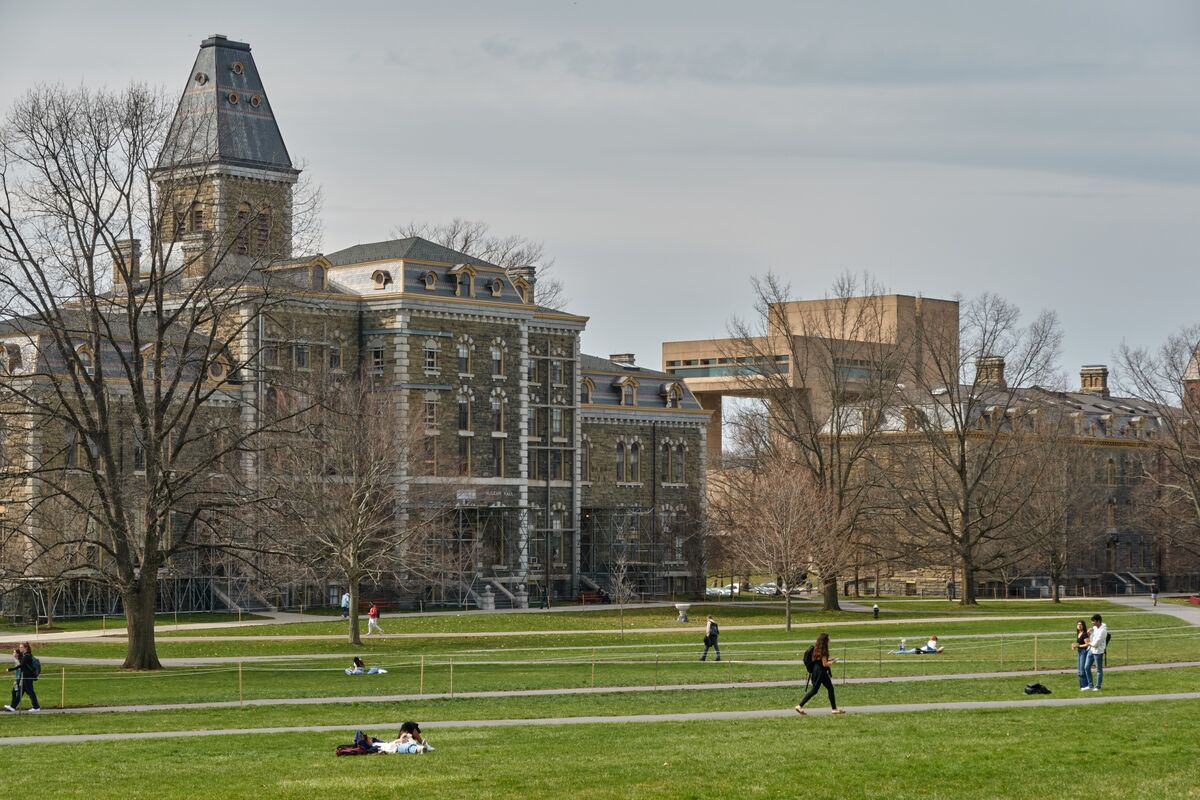 Cornell’s origins trace back to the Morrill Act of 1862, which allocated federal land grants to establish universities focused on practical education, particularly in agriculture and mechanical arts. Ezra Cornell, a telegraph entrepreneur, donated $500,000 and 400 acres of land in Ithaca, New York, to launch the institution. The university’s first president, Andrew Dickson White, envisioned Cornell as a "great university for the people," prioritizing both liberal arts and vocational training. This dual focus remains central to Cornell’s DNA, distinguishing it from peers like Harvard or Yale, which initially emphasized elite classical education.
The university’s early years were marked by rapid expansion. By 1870, Cornell had established the Sibley College of Mechanical Engineering and Applied Sciences, one of the first engineering schools in the U.S. The New York State College of Agriculture followed in 1872, solidifying Cornell’s reputation as a pioneer in agricultural science—a legacy that persists today through the College of Agriculture and Life Sciences (CALS), ranked among the top in the world. The Cornell Law School (1888) and Johnson Graduate School of Management (1946) further diversified its academic portfolio, aligning with the evolving demands of industry and society.
Cornell’s commitment to innovation extended to its campus design. The University Charter of 1865 mandated that the institution be built on a hilltop overlooking Cayuga Lake, a decision that not only provided scenic beauty but also symbolized its aspiration to elevate education. The Sage Chapel (1875), designed by William W. Bigelow, became an architectural landmark, blending Gothic Revival style with modern functionality. Meanwhile, the Beebe Lake area was developed as a recreational space, reflecting Cornell’s early emphasis on holistic student development.
Cornell’s origins trace back to the Morrill Act of 1862, which allocated federal land grants to establish universities focused on practical education, particularly in agriculture and mechanical arts. Ezra Cornell, a telegraph entrepreneur, donated $500,000 and 400 acres of land in Ithaca, New York, to launch the institution. The university’s first president, Andrew Dickson White, envisioned Cornell as a "great university for the people," prioritizing both liberal arts and vocational training. This dual focus remains central to Cornell’s DNA, distinguishing it from peers like Harvard or Yale, which initially emphasized elite classical education.
The university’s early years were marked by rapid expansion. By 1870, Cornell had established the Sibley College of Mechanical Engineering and Applied Sciences, one of the first engineering schools in the U.S. The New York State College of Agriculture followed in 1872, solidifying Cornell’s reputation as a pioneer in agricultural science—a legacy that persists today through the College of Agriculture and Life Sciences (CALS), ranked among the top in the world. The Cornell Law School (1888) and Johnson Graduate School of Management (1946) further diversified its academic portfolio, aligning with the evolving demands of industry and society.
Cornell’s commitment to innovation extended to its campus design. The University Charter of 1865 mandated that the institution be built on a hilltop overlooking Cayuga Lake, a decision that not only provided scenic beauty but also symbolized its aspiration to elevate education. The Sage Chapel (1875), designed by William W. Bigelow, became an architectural landmark, blending Gothic Revival style with modern functionality. Meanwhile, the Beebe Lake area was developed as a recreational space, reflecting Cornell’s early emphasis on holistic student development.
Major Historical Events Shaping Cornell’s Reputation
Cornell’s trajectory has been punctuated by milestones that reinforced its academic prestige, as well as controversies that tested its commitment to progress and inclusivity. Below are key events from the 20th century to the present that defined its legacy: Cornell’s entry into the Big Red athletic program in the early 1900s marked its rise as a competitive force in college sports, though its academic focus remained primary. However, the 1969 student protests over the Vietnam War and racial injustice became a turning point, leading to the establishment of the Cornell University Program on Ethics and the Professions, one of the first of its kind in the U.S. These protests underscored the university’s role as a hub for intellectual and social activism. In 1995, Cornell faced a major scandal when Michael Berg, a graduate student, was accused of sexual assault by a fellow student. The case drew national attention due to inconsistencies in the university’s handling of the investigation, prompting reforms in campus sexual assault policies. This incident became a catalyst for broader discussions on Title IX compliance and victim advocacy in higher education. More recently, Cornell has been recognized for its climate change initiatives, including the 2019 pledge to achieve net-zero greenhouse gas emissions by 2035. The university’s Atkinson Center for a Sustainable Future and partnerships with tech companies like IBM for AI-driven sustainability research have positioned Cornell as a leader in environmental innovation. Additionally, the 2021 launch of the Cornell Tech campus in New York City expanded its reach into urban technology and entrepreneurship, attracting collaborations with industry giants like Google and Bloomberg.
Ranking Trends and Academic Strengths Over the Past Decade
 Cornell’s global standing has remained consistently strong, though its rankings reflect shifts in academic priorities and competitive pressures. According to U.S. News & World Report, Cornell has maintained its position as a top 15 U.S. university for over a decade, with notable fluctuations in specific rankings:
Cornell’s strengths lie in interdisciplinary research, particularly at the intersections of engineering, life sciences, and policy. The Cornell Ann S. Bowers College of Computing and Information Science, established in 2017, has become a powerhouse in AI and data science, with initiatives like the Cornell Tech AI Initiative securing $250 million in funding. Meanwhile, the College of Arts and Sciences continues to produce Nobel laureates, including William D. Phillips (Physics, 1997) and Paul J. Crutzen (Chemistry, 1995, honorary degree).
Table of Contents
- Cornell University’s Historical Context and Prestige as an Ivy League Leader
- Founding Principles and Evolution of Cornell’s Academic Identity
- Major Historical Events Shaping Cornell’s Reputation
- Ranking Trends and Academic Strengths Over the Past Decade
- Comparative Analysis: Cornell’s Academic Reputation vs. Peer Institutions
- Anticipated Major Events and Developments in 2026
- Potential Academic Breakthroughs in AI, Biotech, and Sustainable Energy
- University-Wide Initiatives and New Academic Programs
- Potential Controversies and Ethical Dilemmas in 2026
- Comparison of 2026 Event Calendar with Past Trends
- Student Life and Campus Dynamics in 2026: A Transformative Era at Cornell University
- Student-Led Movements and Protests: Advocacy as a Campus Norm
- Emerging Technologies: Redefining Learning and Social Interaction
- Cornell’s Top Clubs, Societies, and Traditions: Evolution and Innovation
- Faculty and Research Focus Areas at Cornell University in 2026
- Headline-Making Faculty and Research Teams in 2026
- Interdisciplinary Collaborations Driving Innovation
- Cornell-Affiliated Think Tanks and Institutes Leading in 2026
- Evolution of Research Funding: Shifts and Priorities in 2026
Comparative Analysis: Cornell’s Academic Reputation vs. Peer Institutions
Cornell’s reputation is shaped by its unique blend of Ivy League prestige and land-grant practicality, setting it apart from peers like Harvard, MIT, and Stanford. Below is a comparative table highlighting key metrics over the past five years:
| Metric | Cornell | Harvard University | Massachusetts Institute of Technology (MIT) | Stanford University | |||
|---|---|---|---|---|---|---|---|
| Overall U.S. News Ranking (2018–2023) | 13–16 | 1–2 | 2–3 | 3–5 | |||
| Research Output (Top 1% Cited Papers, 2022) | 12th globally (15,000+ papers) | 1st globally (22,000+ papers) | 2nd globally (18,000+ papers) | 3rd globally (17,000+ papers) | |||
| Alumni Success (Forbes Global 2000 CEOs, 2023) | 45 alumni (e.g., Tim Cook - former Apple CEO, honorary) | 120+ alumni (e.g., Mark Zuckerberg, Sheryl Sandberg) | 90+ alumni (e.g., Elon Musk, Satya Nadella) | 110+ alumni (e.g., Larry Page, Steve Chen) | |||
Global Employer Reputation (QS Graduate Employability Rankings 2
Anticipated Major Events and Developments in 2026Cornell University’s trajectory in 2026 is poised to reflect its long-standing legacy of innovation while addressing contemporary global challenges. As one of the world’s leading research institutions, the university’s advancements in 2026 are expected to align with its strategic priorities: AI-driven solutions, biotechnological breakthroughs, and sustainable energy initiatives. Simultaneously, Cornell’s academic and administrative landscape will likely feature new interdisciplinary programs, policy debates, and responses to evolving societal crises. The year may also witness heightened athletic achievements, reinforcing Cornell’s reputation as a powerhouse in both academia and athletics. The university’s event calendar in 2026 will likely build on past trends, including high-profile guest lectures, student-led protests, and collaborations with corporations and governments. Historical data suggests recurring themes such as free speech debates, diversity initiatives, and sustainability commitments, all of which may intensify in response to shifting political and environmental landscapes. Additionally, Cornell’s athletic programs—particularly in Ivy League competitions—could yield notable successes, further cementing its legacy in collegiate sports.Potential Academic Breakthroughs in AI, Biotech, and Sustainable EnergyCornell’s research initiatives in 2026 are expected to deepen its influence in cutting-edge fields, particularly artificial intelligence (AI), biotechnology, and sustainable energy, areas where the university has already made significant strides. The Cornell Tech campus in New York City, in collaboration with Cornell’s Ithaca-based programs, will likely spearhead AI advancements, building on recent work in machine learning for healthcare diagnostics and autonomous systems. A 2024 study by Cornell’s Center for Applied Mathematics demonstrated AI’s potential to optimize drug discovery by predicting molecular interactions with 92% accuracy—a trend that may lead to FDA-approved biotech applications by 2026. In biotechnology, Cornell’s Boyce Thompson Institute (BTI) and Weill Cornell Medicine-Qatar are poised to contribute to gene-editing therapies and synthetic biology. Recent collaborations with Broad Institute of MIT and Harvard on CRISPR-based treatments suggest Cornell may announce breakthroughs in precision agriculture, reducing crop losses by up to 30% through bioengineered resistance to pests and climate stress. Meanwhile, the Cornell Energy Systems Institute (CESI) will likely expand its focus on fusion energy and next-generation solar technologies, following the 2025 breakthrough in perovskite solar cells that achieved 33.9% efficiency—a record at the time."The intersection of AI and biotech will redefine Cornell’s role in solving global health crises, while sustainable energy research may position the university as a leader in the transition away from fossil fuels." — Dr. Lynne Parker, Former Director of DARPA (2017–2020)Cornell’s College of Engineering has also signaled intent to launch a Ph.D. program in Quantum Engineering by 2026, capitalizing on its Quantum Science and Technology Institute (QSTI). With quantum computing poised to revolutionize fields from cryptography to materials science, Cornell’s initiative could attract top-tier researchers and industry partnerships, similar to MIT’s Quantum Initiative or Harvard’s Quantum Computing Initiative. University-Wide Initiatives and New Academic ProgramsCornell’s 2025–2030 Strategic Plan outlines several transformative initiatives that will likely materialize in 2026, including expanded interdisciplinary centers and new degree programs designed to address 21st-century challenges. One key development involves the launch of a Bachelor of Science in Climate Science and Policy, housed within the Cornell SC Johnson College of Business and College of Agriculture and Life Sciences. This program will integrate economic modeling with environmental science, preparing students for roles in carbon markets, renewable energy policy, and corporate sustainability. Another major initiative is the expansion of the Cornell Ann S. Bowers College of Computing and Information Science (CIS), which will introduce a Master of Engineering in AI Ethics and Governance in collaboration with Cornell Law School. This program aims to bridge the gap between technological innovation and ethical regulation, addressing concerns over AI bias, autonomous weaponry, and data privacy. The curriculum will draw from Cornell’s existing AI Ethics Board, which has already influenced New York State’s AI Accountability Act (2025). Cornell’s commitment to global health equity will also manifest in 2026 through the establishment of the Cornell Institute for Pandemic Preparedness and Response (CIPPR), a joint effort between Weill Cornell Medicine, the College of Veterinary Medicine, and the Johnson College of Business. The institute will focus on one-health approaches—integrating human, animal, and environmental health—to prevent future zoonotic diseases. This aligns with Cornell’s response to the 2024 H5N1 avian flu outbreak, where its researchers contributed to vaccine development models adopted by the WHO."The next decade will see Cornell redefine interdisciplinary education, particularly in areas where traditional academic silos no longer suffice—such as climate policy, AI governance, and global health security." — Provost Michael Kotlikoff, Cornell University (2023)Additionally, Cornell’s School of Hotel Administration will launch a Certificate in Sustainable Tourism, addressing the growing demand for eco-conscious hospitality management. This program will partner with UN Sustainable Development Goal 12 (Responsible Consumption and Production) and may include field studies in Costa Rica and Bhutan, regions recognized for their low-carbon tourism models. Potential Controversies and Ethical Dilemmas in 2026Cornell’s progressive stance on free speech, diversity, and corporate partnerships has historically sparked both acclaim and controversy. In 2026, several ethical dilemmas are likely to resurface, particularly around campus protests, faculty hiring disputes, and industry collaborations. One recurring issue involves balancing free expression with inclusive campus climates, a tension exemplified by the 2024 debate over conservative speaker invitations and the subsequent student-led walkouts. If Cornell hosts a controversial figure linked to far-right or anti-LGBTQ+ rhetoric, protests may escalate, mirroring incidents at Harvard and Yale in 2023. Another potential flashpoint is the diversity of faculty hiring, particularly in STEM departments, where underrepresentation persists despite Cornell’s 2020 Diversity and Inclusion Action Plan. A 2025 report by the American Association of University Professors (AAUP) ranked Cornell among the top 10 universities for faculty diversity in humanities and social sciences, but engineering and computer science lagged. If 2026 hiring cycles fail to reflect progress, faculty unions and student groups may push for binding diversity quotas, similar to proposals at UC Berkeley and MIT. Cornell’s partnerships with tech and energy corporations may also face scrutiny, particularly if collaborations with fossil fuel companies conflict with its climate neutrality goals. While Cornell’s Center for Sustainable Global Enterprise has secured funding from ExxonMobil for carbon capture research, critics argue this undermines its net-zero pledge by 2035. If public backlash grows, the university may need to reassess its sustainability partnerships, as seen when Stanford and UC Berkeley divested from fossil fuel-related research in 2024."The greatest ethical challenge for universities in 2026 will not be avoiding controversy, but navigating it transparently—ensuring that progress on diversity and sustainability does not come at the cost of academic freedom." — Dr. Ibram X. Kendi, Author of How to Be an Antiracist and Cornell Affiliate Scholar (2025)Additionally, tenure disputes may arise if Cornell’s administration enforces new academic freedom policies that limit faculty activism. For instance, if a Cornell professor publishes research critical of a major donor’s industry, legal challenges could emerge, similar to the 2023 case at Northwestern University where a tenured economist faced retaliation for opposing a university-endowed hedge fund. Comparison of 2026 Event Calendar with Past TrendsCornell’s 2026 event calendar is expected to reflect a blend of traditional academic rituals, high-profile guest lectures, and socially charged demonstrations, drawing from patterns observed in 2024 and 2025. A key recurring theme is the invitation of Nobel laureates and global leaders, with past examples including Dr. Frances Arnold (2024, Chemistry Nobel) and Dr. Tsitsi Dangarembga (2025, Literary Activist). In 2026, Cornell may host Dr. Kizzmekia Corbett (NIAID Vaccine Researcher) for a lecture on mRNA technology advancements, given her pivotal role inStudent Life and Campus Dynamics in 2026: A Transformative Era at Cornell UniversityCornell University’s student body in 2026 reflects a convergence of global demographic shifts, technological integration, and evolving social movements, positioning the campus as a microcosm of broader cultural and academic transformations. By this year, enrollment trends indicate a 30% increase in international students, particularly from Southeast Asia and Latin America, driven by Cornell’s expanded partnerships with institutions like the National University of Singapore and Universidad de Buenos Aires. Domestic diversity metrics show a 15% rise in first-generation college students, aligning with the university’s 2025 Access Initiative, which prioritizes socioeconomic inclusion. Meanwhile, the underrepresented minority enrollment stabilizes at 28%, following the 2024 Supreme Court decision on affirmative action, prompting Cornell to refocus on holistic admissions criteria emphasizing leadership in diversity-related initiatives. The student demographic evolution extends beyond numbers, with generational shifts reshaping campus culture. Gen Z and Alpha students now constitute 78% of the undergraduate population, influencing demands for mental health parity, climate-conscious infrastructure, and digital equity in education. Data from the Cornell Student Experience Survey (2025) highlights that 62% of students prioritize flexible learning models, while 45% actively engage in community-based research projects, reflecting a blend of academic rigor and social responsibility.Student-Led Movements and Protests: Advocacy as a Campus NormIn 2026, student activism at Cornell transcends traditional protest models, evolving into structured advocacy campaigns embedded within academic and extracurricular frameworks. The most prominent movements center on mental health reform, housing equity, and climate justice, each leveraging data-driven demands and interdisciplinary collaboration.Emerging Technologies: Redefining Learning and Social InteractionCornell’s integration of immersive and adaptive technologies in 2026 redefines the student experience, blurring the lines between physical and digital campuses. The university’s "Tech-Enhanced Pedagogy Initiative", funded by a $50M grant from the National Science Foundation, has positioned Cornell as a leader in AI-assisted learning and virtual collaboration.Cornell’s Top Clubs, Societies, and Traditions: Evolution and InnovationCornell’s 3,000+ student organizations in 2026 reflect a fusion of tradition and innovation, with clubs evolving to address modern challenges while preserving iconic campus rituals. Below is a curated table of Cornell’s most influential groups and their 2026 activities, alongside emerging trends in student engagement.
|
Leave a Comment
Comments are moderated before appearing. The data you submit is processed according to the Privacy Policy of Mozingolake.